Stuttgarter Filmwinter - Es bleibt ein Restrisiko
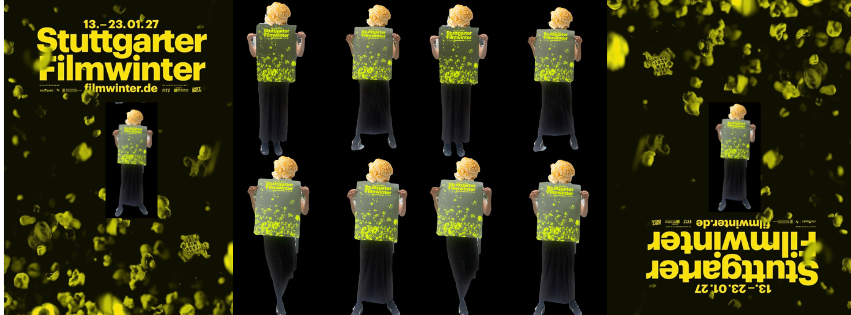
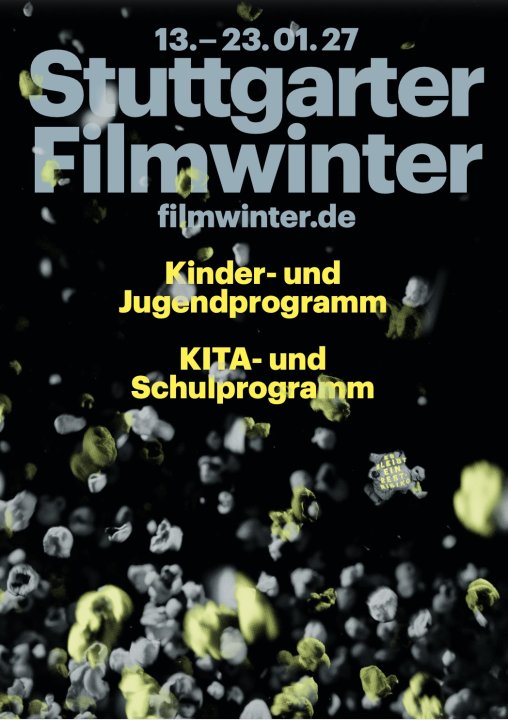
40th Stuttgart Filmwinter Festival for Expanded Media
13–23 January 2027
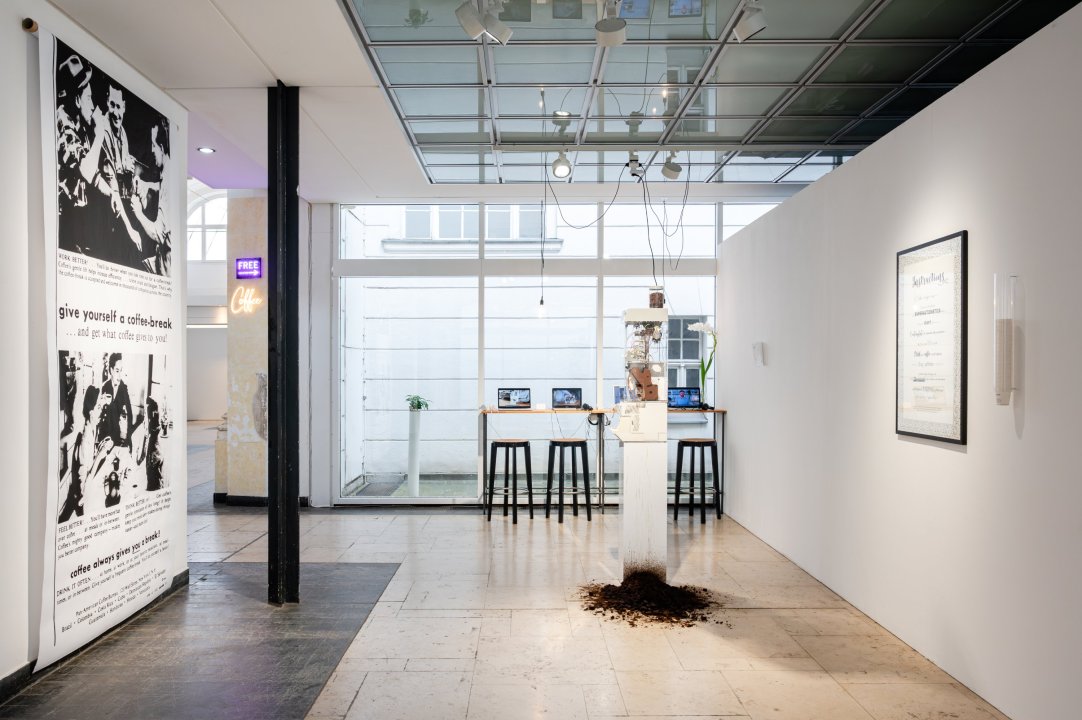
Festival Centre at Fitz! and tri-bühne in the Tagblattturm area, and Expanded Media exhibition at Kunstbezirk
Stuttgart Filmwinter – There Is Always a Residual Risk
The festival programme presents international perspectives from film, media art and digital cultures. At its heart are works submitted through the international open call and selected for the competition categories Short Film, 2 Minutes Shorts and Expanded Media (e.g. installations, net art, interactive works and environments, augmented, mixed and/or VR works). The best music videos from the BugglesAward, the state-wide music video award presented in cooperation with Pop-Büro Region Stuttgart, will once again be screened at Kinothek Obertürkheim, followed by an after-party at Villa Jo, the Obertürkheim Youth and Community Center.
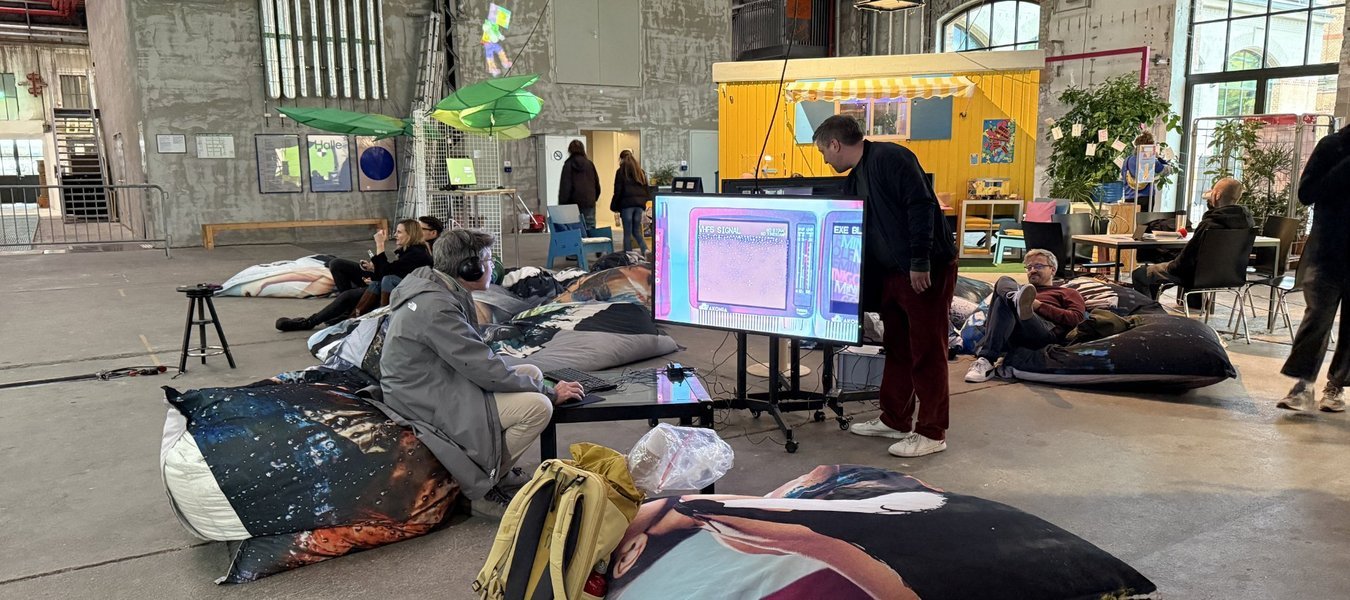
A diverse programme of accompanying events complements the competition programme. Thanks to numerous cooperation partners, the spectrum ranges from film screenings, lectures and live acts to workshops – from the rattle of the projector to digital immersion. Save the date: Anniversary Gala with lots of glitter, glamour and surprises on 15 January 2027.
On Sunday, 22 November 2026, the Filmwinter Preview at our new cooperation partner Superjuju on Marienstraße will offer a first taste of the festival, featuring selected programme highlights and exciting insights into this year’s programme.
Come and celebrate risk with us – analogue, digital and across genres.
For its 40th anniversary, Filmwinter celebrates, under the motto “There Is Always a Residual Risk”, those artistic practices that refuse to settle for the familiar and the tried and tested, and instead dare to take the leap into the unknown.
In our seemingly safe and secure world, everything appears to be planned, safeguarded and optimised. Uncertainty about the future, the threat of declining prosperity, and growing threats from extremism and war fuel our longing for security – and, at the same time, for the thrill of the extreme. Yet we should learn once again to take everyday risks. Because life itself is risky.
When the scenery starts to shake, we must be prepared to rewrite the next scene. Instead of investing in rigid hierarchies, rearmament or sheer convenience, what we need now is courage: the courage to embrace art, culture and social innovation.
Art is not a voluntary extra, but an essential force for innovation. It is wastefulness in the best possible sense – an open laboratory for the unexpected, questioning existing systems and producing prototypes of new forms of society.*
Festival in Times of Funding Cuts – New Office of Wand 5 e.V. – Filmwinter in the Bohnenviertel
Financial cuts of funds hits institutions such as Filmwinter particularly hard: organisations that work openly, collaboratively and through networks. We are not only bearing the consequences of cuts to our own funding, but also those affecting our cooperation partners. The entire cultural ecosystem is weakened as a result, with direct consequences for our work and collaborations – like a game of dominoes.
With the cuts already implemented and further reductions foreseeable, a tipping point has been reached. The issue is no longer simply about implementing fewer projects; it is about preserving established structures and continuing to enable the collaborations that make a vital contribution to the quality and further development of our work.
Filmwinter sees itself not merely as part of the cultural ecosystem, but as an active contributor to shaping it: we build connections, share resources and create new impulses.
This also includes our deliberate move into our small but distinctive premises on Wagnerstraße. We want to be present in the neighbourhood, engage in dialogue with local people, listen and become part of a district undergoing change – just 100 metres from SMIC – Stuttgart Moving Image Center. In this way, Filmwinter is becoming rooted locally throughout the year, creating new connections and strengthening existing structures.
A press release including the programme will be published in early December.
*References
In the summer, as part of our preparations for Filmwinter, we spoke with people and beings from our wider Filmwinter cosmos about topics including:
Anne Dufourmantelle: In Praise of Risk: A Plea for the Uncertain; Katharina Hölzle (IAO): Is There a Lack of Courage to Take Risks? (SZ, 19 May 2026); Siegfried Zielinski: Media Archaeology: Towards the Deep Time of Technological Hearing and Seeing; Georges Perec: An Attempt at Exhausting a Place in Paris; Carlo Ginzburg: The Cheese and the Worms
We will publish a playlist featuring our musical sources on Spotify.